RAHS Subscriptions: Journals – Vol 110 Pt 2 December 2024
RAHS Subscriptions: Journals – Vol 110 Pt 2 Dec 2024 ABSTRACTS
RAHS Subscriptions: Journals – Vol 110 Pt 2 December 2024 Editorial & Abstracts
Editorial:
The military history of Sydney Town
Samuel White
Liberty not Licence: The Hyde Park Riots of 1878
Jeff Kildea
In March 1878, two riots occurred in Hyde Park in protest against the anti-Catholic preaching of Pastor Daniel Allen, a Baptist minister who on Sundays held open-air services in the park. In the wake of the riots, mounting public opinion led the government to ban public meetings there. As a result, soap-box orators and open-air preachers relocated to the Domain, where they have continued to operate ever since. This article examines the Hyde Park riots in the context of the need to balance the right of free speech and the right of people not to be subjected to ‘hate speech’.
The News of War: How Australians learned that their nation was at war with Germany in August 1914
Lindsay Close
In August 1914, Australia stood half a world away from the rumblings of war in Europe. In an era before the internet, satellites, television and where telephone and radio were short-range communication devices, how did Australians discover that their nation was at war? This article examines the role that the telegraph played in disseminating the news that the conflict in Europe had started. It will also study the limitations of telegraph technology and the difficulties, such as censorship, print deadlines, ministerial errors and British Foreign Office mistakes that contributed to the delay of the Australian public getting the full and correct story.
A Retrospective of Military Law and Justice in the Australian Imperial Force
Des Lambley
Australian military law was comparatively sophisticated but a complicated dictum boiler-plated during Federation from the British laws. It had evolved throughout the modern history of war with an emphasis on discipline to ensure adherence to orders necessary to accomplish the Army’s given task. The physical environment in World War I and the stresses of the work caused many soldiers to break the rules. It was essential to have a system of laws enabling the offenders to be punished and set an example to others that orders were to be obeyed.
A ‘Nursery of Martial Law’: Proclamations of Martial Law in the Australian Colonies 1790–1853
Ben Hingley
Martial law was declared seven times in pre-Federation Australia, playing a part in some significant historical events. Yet very little has been written on the topic, and no comparative study has so far been made. This paper gathers, for the first time, brief accounts of all of the martial law events in the early colonies into one document and draws some initial comparisons. It will be seen that martial law was an adaptable doctrine. In the years between 1790 and 1853, it was used to fend off starvation, quash two rebellions, overthrow a government, and wage two wars against First Nations peoples.
Interpreting an Image: Did the Collector’s Chests become an embarras des richesses to Governor Macquarie because of their images of Christ Church Newcastle?
Sue Rabbitt Roff
This Interpreting an Image analyses the earliest image of the first Christ Church at Newcastle in 1817. I argue that the Governor, Commandant, Commissioner, Minister for the Colonies, surveyors and a convict forger colluded in circulating exaggerated images of Christ Church’s superstructure to attract investment and immigrants to the newly free settlement of Newcastle. The Macquarie and Dixson Collector’s Chests misrepresented the church’s grandeur. The tower, steeple and spire of the church were largely dismantled due to structural failures.
Book Reviews
Anne Sarzin, The Angel of Kings Cross: The life and times of Dr Fanny Reading, Australian Scholarly Publishing, North Melbourne, Vic, 2023, viii + 357 pages; ISBN 9781922952509.
Hugh Tranter, Southern Signals: Stories of innovation, challenge and triumph in Australia’s communication history, National Library of Australia Publishing, Canberra, ACT, 2023, vii + 280 pages; ISBN 9781922507563.
Rose Ellis, Bee Miles, Australia’s famous bohemian rebel, and the untold story behind the legend, Allen & Unwin, Crows Nest, NSW, 284 pages; ISBN 9781761069130.
John Cary, Frontier Magistrate: The enigmatic Foster Fyans, Australian Scholarly Publishing, North Melbourne, Vic, 2023, ix + 283 pages; ISBN 9781922952639.
Toby Raeburn, The Remarkable Mr and Mrs Johnson: Founders of modern Australia’s first church, schools and charity, and friends of Aboriginal people, 1788–1800, Australian Scholarly Publishing, North Melbourne, Vic, 2023, xv + 311 pages; ISBN 9781922952790.
Cassandra Pybus, A Very Secret Trade: The dark story of gentlemen collectors in Tasmania, Allen & Unwin, Crows Nest, NSW, 2024, xviii + 318 pages; ISBN 9781761066344.
Anna Johnston, The Antipodean Laboratory: Making colonial knowledge, 1770–1870, Cambridge University Press, Cambridge, UK, 2023, xii + 313 pages; ISBN 9781009186902.
Bronwyn Hughes, Lights Everlasting: Australia’s Commemorative Stained Glass from the Boer War to Vietnam, Australian Scholarly Publishing, Melbourne, 2023, viii + 235 pages; 197 illustrations; ISBN 9781922669827.
RAHS Subscriptions: Magazines – History no.161 September 2024
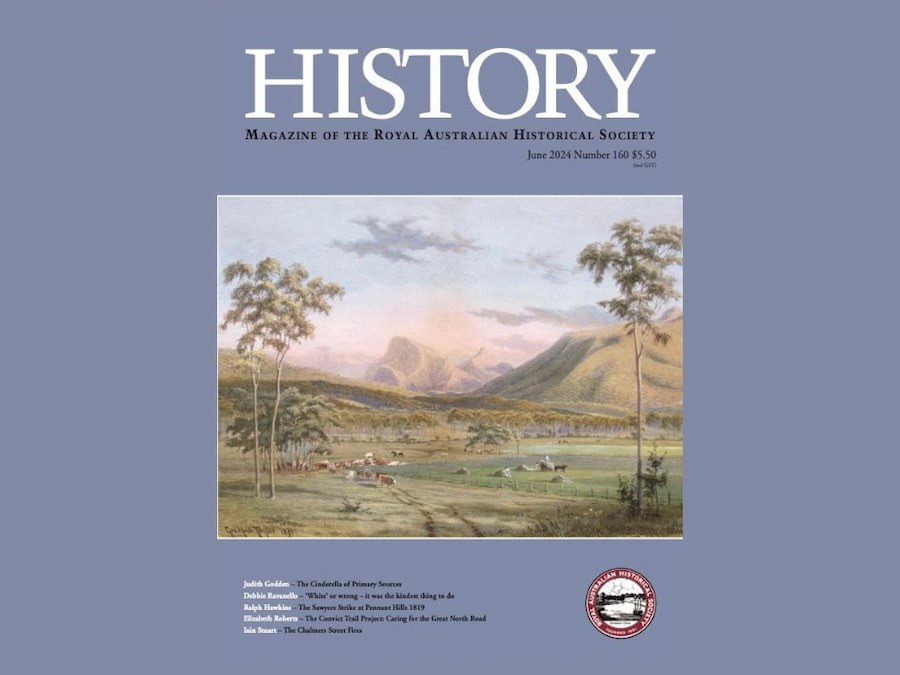
RAHS Subscriptions: Magazines – History no.160 June 2024
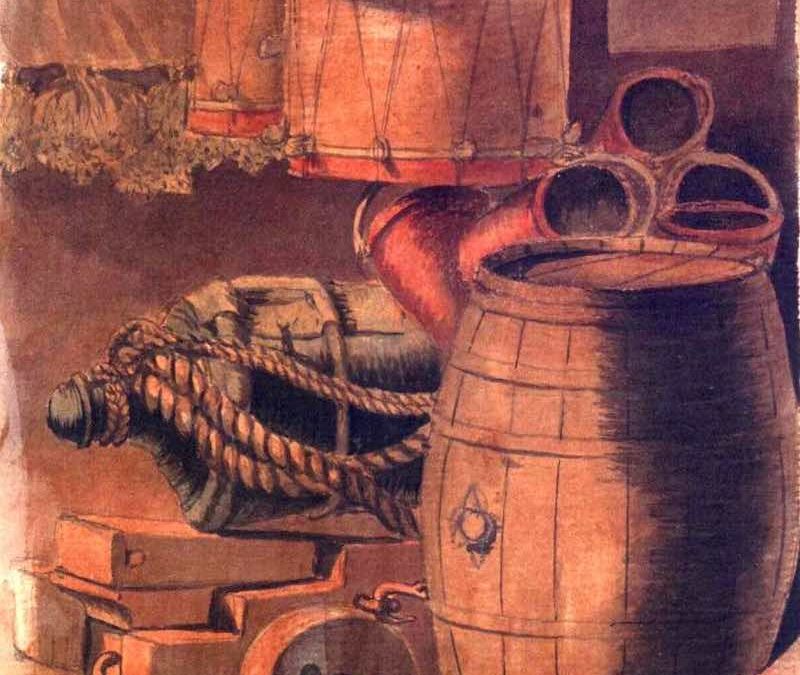
RAHS Subscriptions: Journals – Vol 110 Pt 1 June 2024 ABSTRACTS
RAHS Subscriptions: Journals – Vol 110 Pt 1 June 2024 ABSTRACTS
Lieutenant Charles Jeffreys and the Kangaroo: Was he totally unfit for command?
Ian Dodd
Governor Lachlan Macquarie expressed the opinion that Lieutenant Charles Jeffreys was totally unfit for command of the armed Colonial Brig Kangaroo. Earlier scholarly work has not challenged that opinion. This article examines previously unpublished records, mainly from the British Transport Commission, and some aspects of the voyage to New South Wales to determine whether Macquarie’s harsh opinion was justified.
Railway Navvies and Grog Shops 1878–85: Promoting Law, Order and Sobriety through Crown Land Management
Terry Kass
Riotous drinking and hard physical labour have been synonymous with the labouring workforce who provided the raw muscle for constructing public infrastructure during the nineteenth century. As a highly mobile workforce, navvies were difficult to control and the subject of widespread angst by middle-class observers. During the 1880s, in New South Wales, problems arising from heavy alcohol consumption by railway navvies inspired changes to Crown Lands legislation. Generally focused on managing the leasing and alienation of land, Crown Land administration was not aimed at policing public morality. Yet, the need to control access to alcohol for railway navvies initiated changes in Crown Land policy and administration with that objective.
Ion Idriess in the Torres Strait 1927: Headhunting, mass murder and castaway children
Rob Coutts
The inspiration for this paper was a rare book, Mer – Four Gospels, a translation of the Gospels of Matthew, Mark, Luke and John into the Meriam language of the island of Mer in the Torres Strait. The book was published in 1902, after the introduction of Christianity to the Torres Strait in 1871. However, while researching the provenance of Four Gospels, a different book – Drums of Mer by Ion Idriess – became prominent. Drums of Mer purports to describe the pre-Christian Meriam culture of war, violence and head-hunting. Both books are discussed within the context of the island of Mer.
Stannumville
Leonie Bell
Many people are aware of the canvas and tin shacks that were erected by desperate people on the sandhills of La Perouse and Sans Souci during the throes of the Great Depression in the 1930s. Shanty towns such as these have a long history in Australia, particularly in pioneer and gold-mining towns in Victoria and New South Wales during the Gold Rush. These makeshift settlements often housed men in country areas where both jobs and housing were in short supply and times were tough. However, few will have heard of a NSW State Government scheme to house families in a purpose-built tent town during World War I. Canvas Town, sometimes referred to as Calico Town or Tin Town, and later known as Stannumville, was built 3.5 miles (5.6 km) from Sydney, about a mile south of Daceyville. It was constructed just off the western side of Bunnerong Road, between Gardiners Road and Maroubra Bay Road. Oddly enough, it does not appear on maps of the period, which were either printed before its construction or after its demolition. This made its precise location subject to speculation until the discovery of a hand-drawn addition to an existing Parish Map of Botany. This article examines why the government initiated the project, the living conditions in the town, and the reasons for its demise.
Interpreting an Image: George Augustus Robinson’s Yass to Port Phillip Road, 1840–1844
Bruce Pennay
A crude ink-sketch of Merriman, a Waywurru man, shackled around the neck, handcuffed and being dragged forward over uneven ground by an armed mounted policeman, is a graphic representation of the shortcomings of frontier justice in the early 1840s. This ‘Interpreting an Image’ untangles two stories of frontier justice with which the picture is intertwined in the journals of George Augustus Robinson, the Chief Protector of the Aborigines of the Port Phillip district of New South Wales. In doing so, it explains that the road between Yass and Port Phillip was a key part of a new ‘in-between’ frontier opened with the inland pastoral invasion.
Book Reviews
Bruce Short, Fever: the mysterious medicine from a mystical art to the scourge of the 18th century, North Bank Institute, Bellingen, NSW, 2023, 355 pages; ISBN 9780645773101.
Mark Hearn, The Fin de Siècle Imagination in Australia, 1890–1914, Bloomsbury Academic, London, 2022, 237 pages; ISBN 9781350291393.
Shauna Bostock, Reaching Through Time: finding my family’s stories, Allen & Unwin, Sydney, NSW, 2023, 334 pages; ISBN9781761067983.
Craig Wilcox, Australia’s Tasman Wars – Colonial Australia and Conflict in New Zealand, 1800–1850, Australian Scholarly Publishing, North Melbourne, Vic, 2022, xi + 286 pages; ISBN 9781922669452.
Dr J.M. Bennett AO and Dr John K. McLaughlin AM (eds), Cases for Opinion: A Bicentennial Miscellany, Australian Scholarly Publishing, Melbourne, 2023, viii + 118 pages; ISBN 9781922952998.
Alecia Simmonds, Courting: an intimate history of love and the law, La Trobe University Press, Collingwood, Vic, 2023, 440 pages; ISBN 9781760642143.
David Marr, Killing for Country, Black Inc, Collingwood, 2023; xi + 468 pages; 38 illustrations; ISBN 978760642730.
Phillip Deery, Spies and Sparrows: ASIO and the Cold War, Melbourne University Press, Carlton, Vic, 2022, x + 270 pages; IBSN 9780522878301.
RAHS Subscriptions: Journals – Vol 110 Pt 1 June 2024
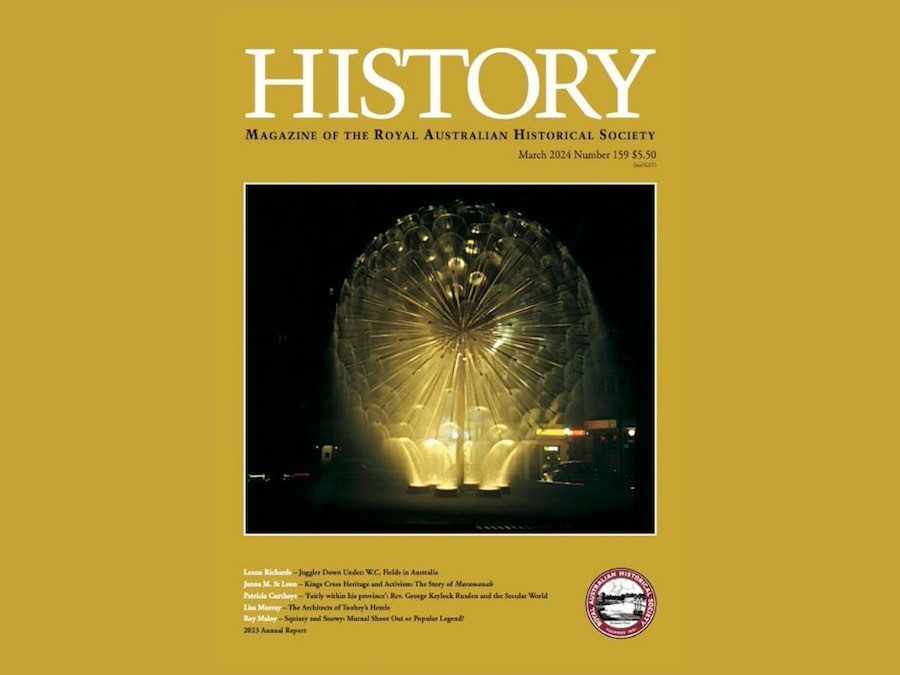
RAHS Subscriptions: Magazines – History no.159 March 2024
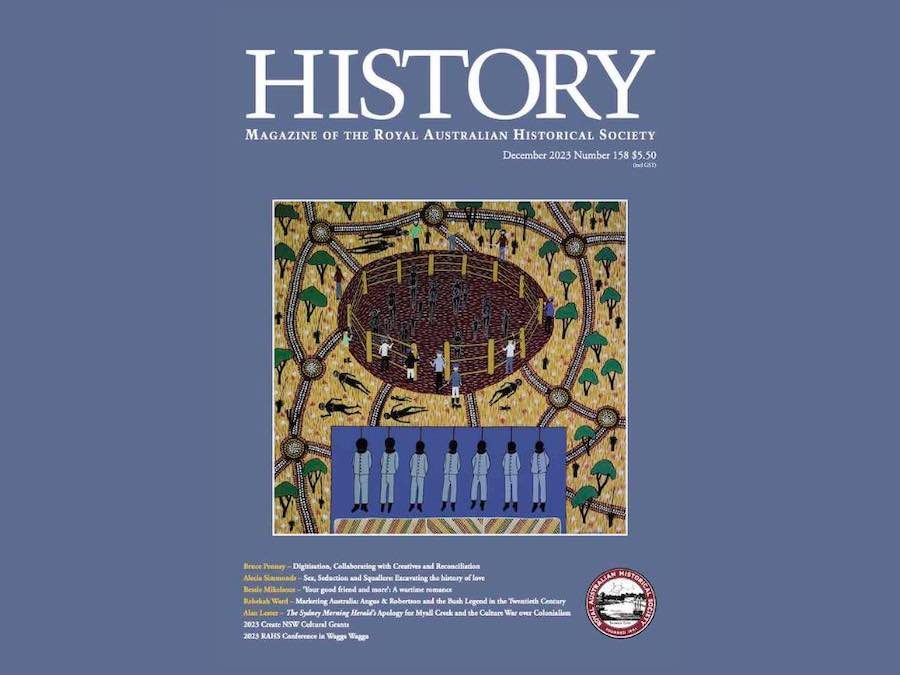
The Sydney Morning Herald’s Apology for Myall Creek and the Culture War over Colonialism
The Sydney Morning Herald’s Apology for Myall Creek and the Culture War over Colonialism
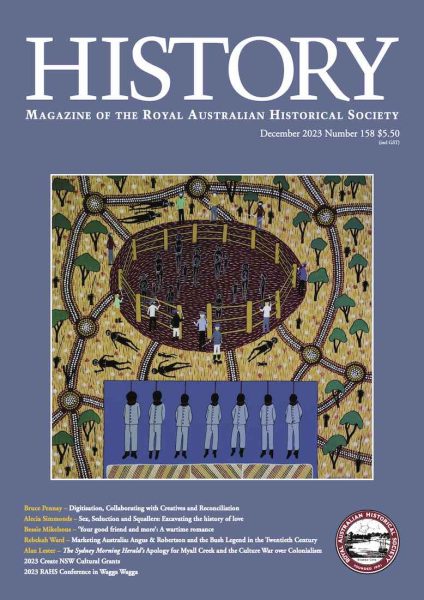
Alan Lester, The Sydney Morning Herald’s Apology for Myall Creek and the Culture War over Colonialism, History no.158, December 2023
Please click on the button below to download and read this publication.
RAHS Subscriptions: Magazines – History no.158 December 2023
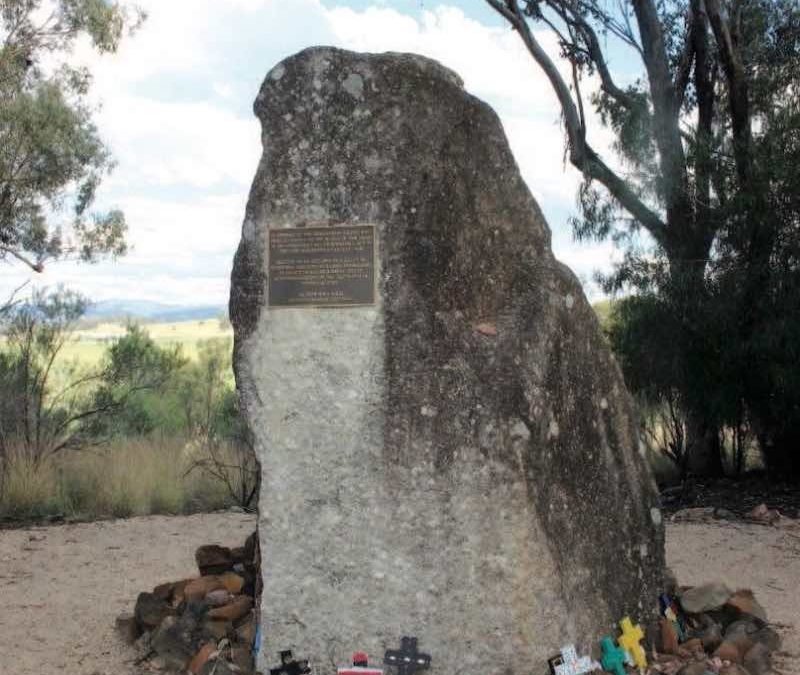
RAHS Subscriptions: Journals – Vol 109 Pt 2 Dec 2023 ABSTRACTS
RAHS Subscriptions: Journals – Vol 109 Pt 2 Dec 2023 ABSTRACTS
Politics versus Justice: A fresh look at the third trial following the Myall Creek massacre of 1838
Jim Ritchie
This article revisits the trials of those accused of taking part in the Myall Creek massacre of 1838, in which at least 28 Wirrayaraay people, mostly women and children, were murdered. It closely examines the third trial, which involved four of those accused who took part in the massacre and explains why they escaped conviction, notwithstanding that seven of their fellow accused had been convicted and hanged following an earlier trial. The article also considers what became of Davey, a young Kamilaroi man, who was to be the main witness for the Crown in the third trial.
Quong Tart’s Neighbours: Cycling around the boundaries of exclusion and racism, 1880s–1900s
Marc Sebastian Rerceretnam
This article will look at the experiences of Mei Quong Tart (1850–1903) after he moved into the affluent Sydney suburb of Ashfield. While much has been written about his successes as a businessman, philanthropist, social advocate and Chinese community representative, there is little research relating to the social obstacles he encountered in his immediate neighbourhood and personal life. In the late 1800s, Sydney’s minority Chinese communities found themselves at the receiving end of political campaigns promoting their exclusion and the curtailing of their rights. In response, the Sydney-based Chinese community instigated campaigns and attempted to counter these negative initiatives. This paper will also look at Quong Tart’s use of popular sport to influence anti-Chinese public opinion in the late 19th century in light of the rise of anti-Chinese sentiment and movements to restrict their immigration and residency.
Angus Mackay and agricultural education in late 19th century New South Wales
Ian D. Rae
Angus Mackay (1830–1910) was a Highland Scot who came to the Australian colonies in the 1860s and spent nearly two decades in Brisbane. Arriving in Sydney in 1881 as an agricultural journalist, he was appointed to the Board of Technical Education and then as an instructor in agriculture at the Sydney Technical College, a position he held until 1897. He wrote books on bees, sugar cane, agricultural chemistry, and guides to agriculture in Australian settings, delivered public lectures and made professional conference presentations, making his career from informal advice to farmers to the inclusion of agricultural education in the state education system.
Chungking Follies: The supporting cast of the Chungking Legation, 1941–42
James Cotton
Sir Frederic Eggleston’s pioneering mission to Chungking (Chongqing) in 1941, accomplishing the opening of diplomatic relations with China, has received considerable scholarly attention. The main cast of characters is well known, Eggleston being assisted by Keith Waller and Charles Lee. This study shows that the contribution of other individuals made a significant impact on the Legation story, though their roles have been either neglected or overlooked. They included a former Shanghai policeman, a habitual criminal and confidence trickster, and a Russian-born linguist and secretary. In particular, in the early days of the mission — under dangerous wartime conditions — the role of Shanghai-born Edmund Burgoyne is shown to have been crucial for its establishment and initial diplomatic achievements. A review of their biographies leads to reassessment of the dynamics of the Legation in its founding phase.
Book Reviews
Ian Hodges, He Belonged to Wagga: The Great War, the AIF and returned soldiers in an Australian country town, Australian Scholarly Publishing, North Melbourne, Vic, 2022, 310 pages; ISBN 9781922669636.
Paul Ashton and Paula Hamilton (eds), The Australian History Industry, Australian Scholarly Publishing, Melbourne, 2022, viii + 361 pages, ISBN 9781922669605.
Jane Carey, Taking to the field: A history of Australian women in science, Monash University Publishing, Clayton, Vic, 2023, viii + 309 pages; ISBN 9781925835410.
Ross McMullin, A Life So Full of Promise; further biographies of Australia’s lost generation, Scribe, Melbourne, 2023, xiv + 626 pages; ISBN 9781922585820.
Ann McGrath, Laura Rademaker and Jakelin Troy (eds), Everywhen: Australia and the language of deep history, NewSouth Publishing, University of New South Wales Press, Sydney, NSW, 2022, x + 311 pages; ISBN 9781742237329.
Meg Foster, Boundary Crossers: The hidden history of Australia’s other bushrangers, NewSouth Publishing, Sydney, NSW, 2022, 256 pages; ISBN 9781742237527.
Angela Wanhalla, Lyndall Ryan and Camille Nurka (eds), Aftermaths: Colonialism, violence and memory in Australia, New Zealand and the Pacific, Otago University Press, Dunedin, New Zealand, 2023, 312 pages; ISBN 9781990048449.
Charles Stitz and Gary Kent, The Country Surgeon: The life and times of Arthur Andrews of Albury (1848–1925), Arcadia/Australian Scholarly Publishing, North Melbourne, 2023; xx + 572 pages; 70 illustrations; ISBN 9781922669834.